IMC Welcomes New Members to its Board of Directors

Cropped shot of two businesspeople shaking hands.

IMC is excited to announce the appointment of Ken Healy, Executive Vice President & Director of Engineering at PMF Industries, Inc. located in Williamsport, PA and Tammy Bubb, Corporate Controller at Remmey – The Pallet Company located in Beaver Springs, PA to its Board of Directors. The IMC is a public-private partnership that is dedicated to driving economic success and business growth for manufacturers in its 12-county region. IMC provides expert advice and solutions to small and medium-sized manufacturers through consultative services and training opportunities.

Ken HealyKen Healy brings extensive manufacturing expertise to the board, with a career defined by leadership in precision metal forming and advanced production processes. As Executive Vice President and Director of Engineering at PMF Industries, he has guided complex manufacturing initiatives across aerospace, defense, and industrial markets, specializing in technologies such as flowforming, hydroforming, and deep drawing. Known for bridging technical engineering requirements with practical, value-driven solutions, he has led end-to-end process development efforts, supported early-stage R&D and manufacturability planning, and helped deliver high-quality, technically demanding components. His background also includes published research and innovation in advanced manufacturing methods, as well as certification as a Certified Manufacturing Technologist, underscoring his deep technical knowledge and commitment to operational excellence.

Tammy BubbTammy Bubb, M.S.A., M.B.A., serves as Corporate Controller for Remmey – The Pallet Company, where she provides strategic financial leadership in support of manufacturing operations. She oversees financial reporting, budgeting, cost analysis, cash flow management, tax compliance, payroll, and internal controls while partnering with operations to improve efficiency, strengthen business processes, and support informed decision-making. Tammy holds both a Master of Science in Accounting and a Master of Business Administration, reflecting her commitment to lifelong learning and professional excellence. Throughout her career, she has combined her advanced education with practical manufacturing experience to help organizations improve financial performance, implement operational improvements, and navigate complex business challenges. Passionate about the manufacturing industry, Tammy believes strong financial stewardship, continuous improvement, and employee development are essential to long-term success. Her leadership extends beyond traditional accounting responsibilities, with experience in ERP implementation, process improvement, human resources, compliance, and organizational development. She is dedicated to advancing manufacturing through collaboration, education, and sound business practices.

“We are pleased to welcome Ken Healy and Tammy Bubb to the IMC Board of Directors. Both bring deep and complementary experience in manufacturing operations, engineering, and financial leadership that will strengthen our ability to serve the region’s manufacturers. We look forward to their insights as we continue advancing innovation and competitiveness across Central Pennsylvania.” Dennis Gilbert, President, Innovative Manufacturers Center (IMC), Inc.

In other business, the IMC Board of Directors reappointed Marcus Annicelli, Site Operations Manager at Construction Specialties, Inc. in Muncy as Board Chair and Ben Eltz, Chief Executive Officer at DiamondBack Covers in Philipsburg as Vice Chair.


IMC Announces Fall Training Calendar for Central Pennsylvania Manufacturers

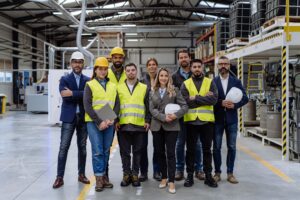
Full team of warehouse employees standing in warehouse. Team of workers, managers and female director in modern industrial factory, heavy industry, manufacturer. Group portrait.

Full team of warehouse employees standing in warehouse. Team of workers, managers and female director in modern industrial factory, heavy industry, manufacturer. Group portrait.

IMC Announces Fall Training Calendar for Central Pennsylvania Manufacturers

IMC has officially released its upcoming fall training calendar, offering a broad range of professional development opportunities designed to help Central Pennsylvania manufacturers strengthen their workforce, improve operations, and stay competitive.

Manufacturers across the region are encouraged to explore the full list of events at
👉 IMC Events Calendar

Training Opportunities for Every Role in Manufacturing

These opportunities reflect the diverse needs of today’s manufacturing environment, with programs tailored to employees at every level – from frontline operators to supervisors and executives – to individuals on and off the plant floor. IMC’s trainings support key functional areas including leadership, operations, safety, quality, compliance, human resources, and business growth.

Participants can choose from sessions such as:

  • Leadership & Workforce Development
    Programs like How to Give Effective Performance Reviews help supervisors strengthen communication, develop their teams, and drive productivity on the plant floor.
  • Safety & Compliance
    Courses such as Create a Winning Safety Culture and OSHA-focused training reinforce best practices, helping organizations move beyond compliance toward a culture of accountability and engagement.
  • Continuous Improvement & Lean Manufacturing
    Lean training introduces proven tools to eliminate waste, streamline processes, and improve efficiency—key drivers of profitability and long-term growth.
  • Technology, AI & Cybersecurity
    With sessions on AI applications in marketing and cybersecurity frameworks like CMMC, IMC is equipping manufacturers to adapt to evolving digital demands.
  • Business Growth & Strategy
    Workshops focused on marketing, sales, human resources, and operational strategy help companies position themselves for sustainable success in a rapidly changing marketplace.

This variety reflects IMC’s mission to provide practical, real-world training that delivers measurable results across all aspects of manufacturing operations.

Supporting Central PA’s Manufacturing Community

IMC has been serving manufacturers in Central Pennsylvania since 1988, offering hands-on training and resources that drive innovation, productivity, and growth. As part of the Pennsylvania Industrial Resource Center (IRC) Network and U.S. Manufacturing Extension Partnership (MEP) program, IMC connects companies with proven strategies and expertise to remain competitive in today’s economy.

The fall training calendar continues that commitment—bringing relevant, timely topics to the region’s manufacturers while addressing workforce development challenges and emerging industry trends.

Register Early—Seats Fill Quickly

Many of IMC’s training sessions are offered in small-group formats to maximize interaction and learning outcomes. As a result, space is often limited and sessions can fill quickly.

Manufacturers are encouraged to review the full training schedule and register early to secure their seats.

👉 View and register for events: IMC Events Calendar


Why Your Manufacturing Firm Needs AI Agentic Systems — Now

Modern manufacturing is facing a perfect storm: retiring experts, widening skill gaps, rising complexity, and increasing pressure for efficiency. AI agentic systems offer a practical, immediate path to protect your knowledge, empower your workforce, and future‑proof your operations. Early adopters are already gaining a competitive edge — and the window to build private, organization‑specific agents is closing fast.

Below are the 10 most compelling reasons to begin your AI agent journey today. For additional insights, attend our April 24th Webinar.

10 Reasons to Adopt AI Agentic Systems

  1. Protect Your Proprietary Know‑How

As open‑agent ecosystems expand, generic AI will shape industry norms. Building private agents now ensures your unique processes, methods, and tribal knowledge remain protected and don’t get diluted into public models.

  1. Capture Tacit Knowledge Before It’s Lost

Retirements and turnover threaten decades of expertise. AI agents preserve critical insights, troubleshooting logic, and best practices that would otherwise disappear.

  1. Accelerate New‑Hire Productivity

Agentic systems act as on‑demand mentors, giving new workers instant access to expert guidance and reducing ramp‑up time.

  1. Reduce Training Costs and Skill Gaps

AI agents deliver consistent, real‑time instruction — lowering training hours, minimizing rework, and supporting upskilling without pulling senior staff off the floor.

  1. Strengthen Safety and Compliance

Agents reinforce correct procedures, monitor for deviations, and provide step‑by‑step support to reduce risk and maintain regulatory alignment.

  1. Improve Process Consistency and Quality

AI agents follow defined logic every time, reducing variability across shifts and helping teams hit higher first‑pass yield.

  1. Boost Workforce Efficiency Without Adding Headcount

Agents automate repetitive tasks, documentation, troubleshooting, and decision support — freeing your people to focus on higher‑value work.

  1. Increase Resilience Against Labor Shortages

When staffing changes occur, AI agents maintain continuity, stability, and operational performance.

  1. Unlock Continuous Improvement at Scale

Agents learn from every interaction, surfacing improvement opportunities and standardizing best practices across teams and facilities.

  1. Stay Competitive in a Rapidly Evolving Industry

Manufacturers who adopt agentic systems now will outperform peers in agility, cost control, and workforce capability as AI becomes the new operational baseline.

Your Next Step

AI agentic systems are no longer experimental — they’re becoming essential infrastructure. The manufacturers who act now will own their knowledge, strengthen their workforce, and build a durable competitive advantage.

Join us April 24th for our 10 Reasons to Adopt AI Agent Systems webinar.

Download our 10 Reasons to Adopt AI Agentic Flyer

This article was created with assistance from Microsoft Copilot and refined by the IMC team.


Who Owns the Ideas? AI, Intellectual Property, and the Future of Manufacturing

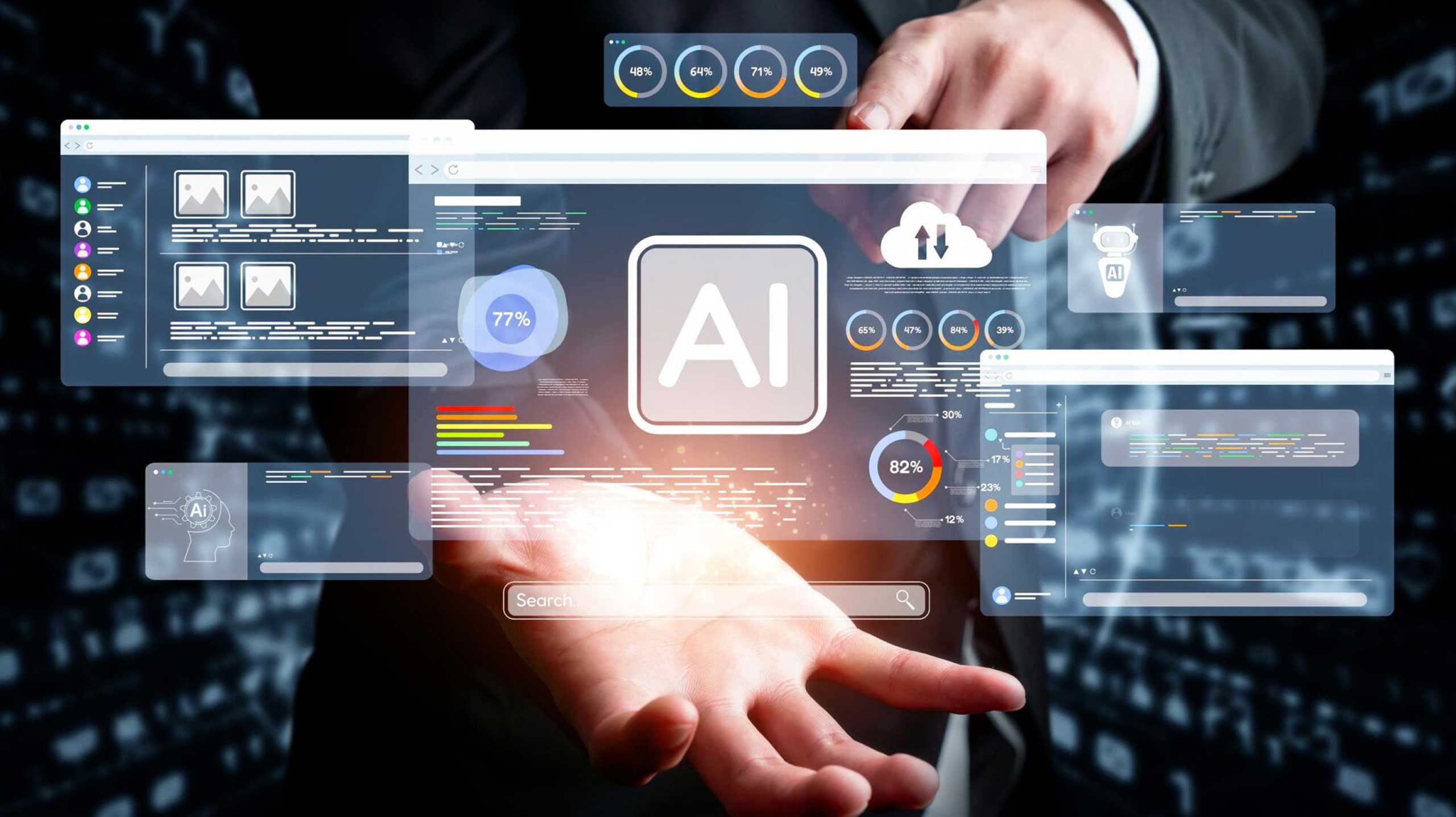
Human interact with AI artificial intelligence brain process generative AI EIDE

Human interact with AI artificial intelligence brain process generative AI EIDE

In today’s world of manufacturing, artificial intelligence (AI) is no longer just the future—It’s a current tool being used to design products, optimize supply chains, predict maintenance needs, and even generate new ideas. But as AI becomes more integrated into manufacturing, one question becomes critical: Who owns the ideas created by AI?

AI as a “Co-Inventor

Manufacturers using AI to assist in new product design or R&D may wonder whether the results generated can be protected with patents, copyrights, or trade secrets. And to make the issue even murkier: Intellectual property laws weren’t built for machines that “think.”

What this means: 

  • Patents typically require a human inventor.
  • Copyrights require a human author.
  • And trade secrets require measures to keep something confidential.

But what happens when AI develops something “new” without direct human involvement? Who owns the design? If your AI system generates an innovative design, can you patent it? If AI writes a process manual or creates a visual model, can you copyright it?

Currently, in most jurisdictions, IP rights apply only to human creators. AI itself cannot own property rights or hold legal rights—at least not yet.

Practical Implications for Manufacturers

Manufacturers can take practical steps to manage risk and capture value:

  • Clarify roles: When using AI tools from vendors or cloud platforms, check who owns the results—some terms of service may give ownership to the provider.
  • Human oversight: Ensure there’s a human in the loop who can be clearly identified as the contributor or author, especially for patentable ideas.
  • Data Protection: Since AI relies heavily on training data, be cautious about feeding in sensitive or proprietary information that could become part of a shared model.
  • Auditability: Keep clear records of how AI systems are used in the innovation process to support any future IP claims.

Looking Ahead

This area is evolving fast. Courts and lawmakers do not have a definitive answer on whether AI-generated work is protected under traditional IP laws. For now, manufacturers should see AI as a powerful tool, but it should be carefully managed when it comes to IP rights.

Disclaimer: This blog post is for informational purposes only and does not constitute legal advice. If you have questions about intellectual property or the use of AI in your business, consult a qualified attorney.


IMC Joins CESMII Smart Manufacturing Roadshow to Showcase Innovation Across Pennsylvania

CESMII Roadshow

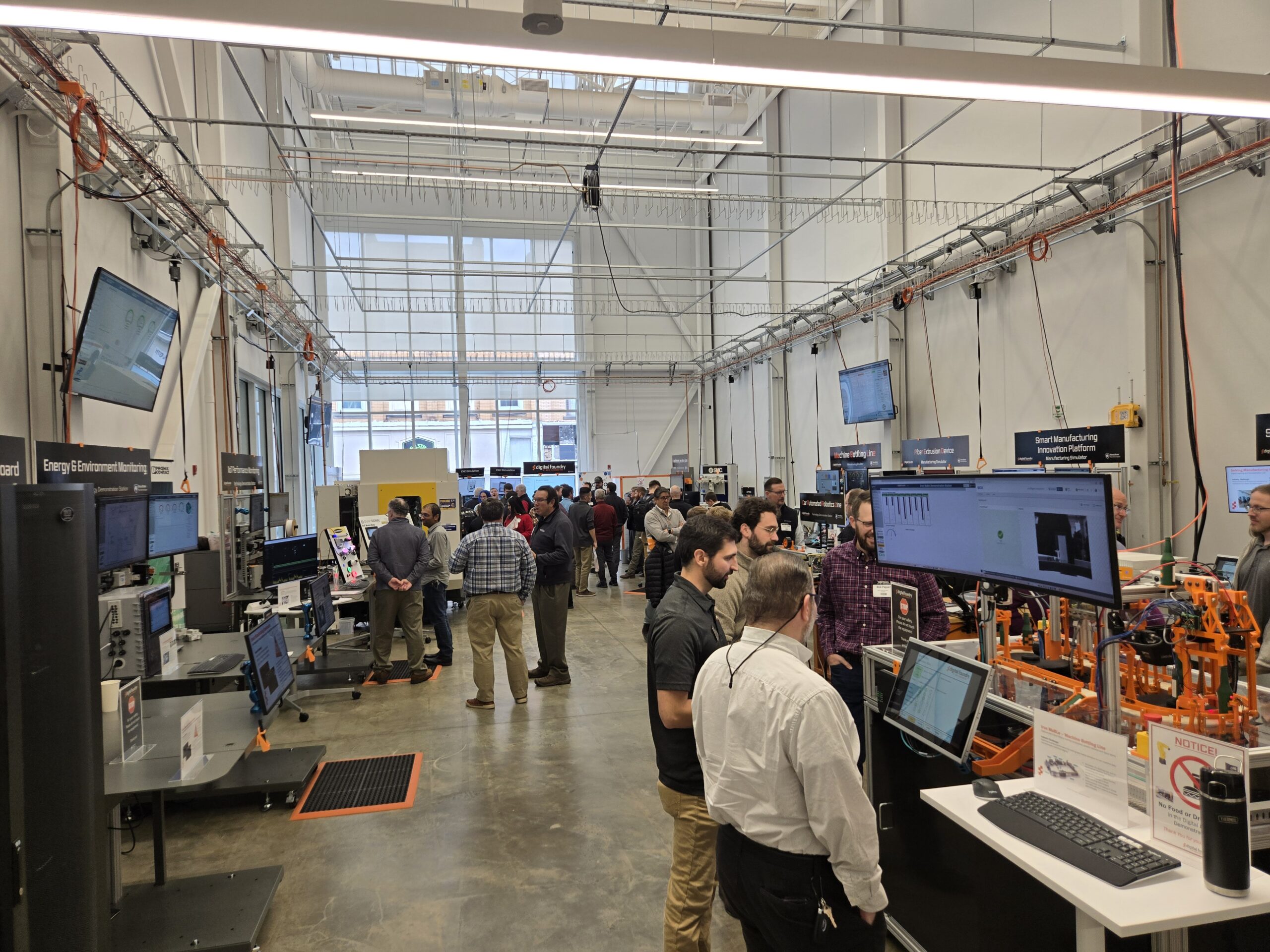
On December 11, 2025, the Innovative Manufacturers’ Center (IMC) along with approximately 100 industry manufacturing professionals, attended the CESMII Smart Manufacturing Roadshow hosted by the Digital Foundry in New Kensington, PA, an event highlighting the power of Smart Manufacturing for small to large manufacturers across Pennsylvania.

Participants explored the latest technologies, heard real-world success stories, and learned how Smart Manufacturing drives efficiency, growth, and competitiveness. Industry leaders including JV Manufacturing, MSA Safety, Pulva Corporation, Zoll Medical Device Company, and Pittsburgh’s iconic Mancini Bakery shared how assessing needs and applying Smart Manufacturing technologies helped them meet, and often exceed, their operational goals.

Experts from the Collaborative Ecosystems Smart Manufacturing Innovation Institute (CESMII) and other industry related representatives also outlined opportunities for manufacturers to assess their readiness and develop a customized Smart Manufacturing Roadmap with support from organizations like the IMC, Digital Foundry, and other CESMII-certified professionals.

IMC is proud to be home to one of only six Certified Smart Manufacturing Roadmap Professionals in Pennsylvania. Contact IMC Business Advisor, Rick Terry, to learn how Smart Manufacturing can benefit your operation or to schedule a consultation.

CESMII Roadshow CESMII Roadshow Panel


Happy Manufacturing Month!

Mfg Day Main_2color

Celebrating Manufacturing: October Is Manufacturing Month & Friday Is National Manufacturing Day

Every October, manufacturers across the U.S. are spotlighted for their vital role in innovation, jobs, and regional growth. While National Manufacturing Day (this Friday) offers a special moment to rally attention to the sector, Manufacturing Month provides the entire span of October to highlight achievements, challenges, and opportunities across manufacturing.

At the Innovative Manufacturers’ Center (IMC), this observance resonates deeply. We partner with manufacturers in Central Pennsylvania to drive innovation, operational excellence, growth, and resiliency. As we mark this annual celebration, we want to reflect on why it matters — and how IMC helps regional manufacturers gain the competitive edge year-round.

Why Manufacturing Month / Day Matters

  • Raise awareness: Many don’t realize how central manufacturing is to local and national economies — to supply chains, innovation, skill development, and exports. October gives us a focused moment to tell that story.
  • Inspire future talent: Highlighting manufacturing helps attract students, career-changers, and underrepresented groups toward high-skill roles in advanced manufacturing.
  • Encourage continuous improvement: The cadence of awareness spurs companies to review processes, adopt new technologies, and revisit training investments.
  • Strengthen collaboration: It offers a chance for regional partners (economic development, education, workforce, government) to align better with manufacturers’ needs.

As a public-private partnership, IMC is deeply committed to ensuring Central Pennsylvania manufacturers don’t just survive — they thrive.

IMC’s Role in Supporting Manufacturers During & Beyond October

1. Continuous Improvement & Operational Excellence

Lean Manufacturing

One of IMC’s core pillars is helping manufacturers optimize process flows, reduce waste, and unlock productivity gains. Our offerings include, but are not limited to:

  • Lean Manufacturing Level One Practitioner Certification
  • Transformation and deployment of Lean Systems
  • Problem Solving with Root Cause Analysis (RCA)
  • Supply Chain Optimization

These tools help manufacturers move from reactive firefighting to strategic, sustainable performance improvement — a perfect theme for Manufacturing Month.

2. Innovation & Technology Enablement

Smart industry 4.0 innovation automation technology concept on virtual screen

Staying ahead in 21st-century manufacturing means embracing new tools and approaches. IMC provides:

  • Advanced Manufacturing Technologies
  • Digital transformation / SMART-PA Programs
  • Clean Energy Manufacturing Consulting
  • Technology Scouting and Innovation Systems

These help local manufacturers explore smarter production, energy efficiency, and R&D-driven differentiation.

3. Business Growth, Sales & Marketing

sales growth

Producing excellent goods is only half the battle — finding customers, scaling, and sustaining margins is equally critical. IMC assists with:

  • Sales development and marketing strategy
  • Brand development
  • Business continuity planning
  • Export / international trade & compliance support

By integrating growth strategies with operations, we help manufacturers translate capability into revenue and resilience.

4. People & Leadership Development

Two engineers of large machine building factory bending over metallic workpiece and consulting about its characteristics

Advanced processes and technologies require not just investment — but skilled people. IMC offers training in:

  • HR best practices tailored to manufacturing
  • Supervisor & leadership development
  • Change management and culture building (e.g., “Winning Teams” approach)
  • Safety, environmental compliance, and certification readiness

Manufacturing Month shines a light on training — a chance for organizations to close skill gaps and empower their teams.

Ideas for Manufacturers to Leverage the Month

Here are a few ideas your operations or leadership teams could consider during October:

  • Host a shop floor open house or virtual factory tour to show local schools, civic groups, or partners what modern manufacturing looks like.
  • Run a “continuous improvement blitz” for a small but visible process (e.g., reduce setup time, streamline changeovers).
  • Offer a mini training or lunch-and-learn (e.g. basic root cause analysis, 5S) to raise internal awareness of operational excellence.
  • Conduct a technology audit or pilot — identify one small digital or automation upgrade you can trial before year’s end.
  • Use the month as a talent recruitment window — promote manufacturing careers, internships, apprenticeships, or job shadow days.

If you’d like help designing or executing any of these ideas, IMC is ready to assist!

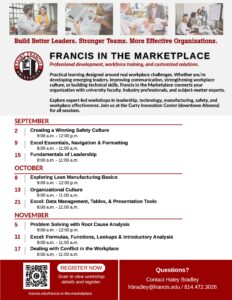
What’s Coming Up at IMC This October

Here’s a snapshot of select upcoming training events you might find beneficial:

These are just a few of the offerings scheduled throughout the month. Click here to visit the full schedule of IMC’s upcoming training and events.

A Call to Action

As we observe National Manufacturing Day and celebrate Manufacturing Month, we encourage you — whether as a manufacturing leader, employee, or community stakeholder — to reflect on how we can push the boundaries of what “manufacturing” means today.

Ask yourself:

  • What process or system could we challenge or improve?
  • Which new technology or automation could we pilot?
  • What training does our workforce need to stay competitive?
  • How can we better tell our manufacturing story to partners, young talent, or local communities?

If you’d like to meet with IMC to ideate, plan, or initiate any initiatives tied to Manufacturing Month (or beyond), we’re here as your partner. Let’s use this October momentum to build stronger, more innovative, and more resilient manufacturing in Central Pennsylvania. Contact IMC today by emailing info@imcpa.com or calling 800-326-9467.


IMC Business Advisor, Rick Terry, Earns Smart Manufacturing Acceleration Roadmap Professional Certification

Rick Reception Area Pic

The Innovative Manufacturers Center (IMC) is proud to announce that Frederick (Rick) Terry, Business Advisor, has successfully earned the CESMII Smart Manufacturing Acceleration Roadmap Professional Certification from Rensselaer at Work, a division of Rensselaer Polytechnic Institute.

The CESMII developed certification recognizes professionals who demonstrate advanced knowledge and practical skills in designing and implementing customizable strategies that accelerate digital transformation within manufacturing operations. Through the program, participants learn to align emerging technologies with business objectives, streamline production processes, and drive innovation across manufacturing systems.

“Rick’s achievement reflects not only a personal commitment to professional growth, but also IMC’s dedication to advancing modern manufacturing practices,” said Dennis Gilbert, President at IMC. “This expertise will further strengthen IMC’s ability to deliver smarter, more efficient, and more resilient solutions for our partners and clients.”

Rensselaer at Work is recognized for its focus on equipping professionals with future-ready skills in engineering, science, and technology management. The Smart Manufacturing Acceleration Roadmap Certification is designed for leaders who are driving transformation in an increasingly data-driven and competitive industry.

Terry will apply this certification to enhance IMC’s initiatives in process optimization, data integration, automation strategies, and digital innovation, helping position the organization and our manufacturing clients at the forefront of smart manufacturing.

Contact Rick Terry at rickt@imcpa.com or (570) 329-3200 and discover how this certification can help your company accelerate your digital transformation!


Who Owns the Ideas? AI, Intellectual Property, and the Future of Manufacturing

3D rendering artificial intelligence AI research of robot and cyborg development for future of people living. Digital data mining and machine learning technology design for computer brain

In today’s world of manufacturing, artificial intelligence (AI) is no longer just the future—It’s a current tool being used to design products, optimize supply chains, predict maintenance needs, and even generate new ideas. But as AI becomes more integrated into manufacturing, one question becomes critical: Who owns the ideas created by AI?

AI as a “Co-Inventor”

Manufacturers using AI to assist in new product design or R&D may wonder whether the results generated can be protected with patents, copyrights, or trade secrets. And to make the issue even murkier: Intellectual property laws weren’t built for machines that “think.”

What This Means

Patents typically require a human inventor.

Copyrights require a human author.

And trade secrets require measures to keep something confidential—but what happens when AI develops something “new” without direct human involvement?

Who owns the design? If your AI system generates an innovative design, can you patent it? If AI writes a process manual or creates a visual model, can you copyright it?

Currently, in most jurisdictions, IP rights apply only to human creators. AI itself cannot own property rights or hold legal rights—at least not yet.

Practical Implications for Manufacturers

Manufacturers can take practical steps to manage risk and capture value:

  • Clarify roles: When using AI tools from vendors or cloud platforms, check who owns the results—some terms of service may give ownership to the provider.
  • Human oversight: Ensure there’s a human in the loop who can be clearly identified as the contributor or author, especially for patentable ideas.
  • Data Protection: Since AI relies heavily on training data, be cautious about feeding in sensitive or proprietary information that could become part of a shared model.
  • Auditability: Keep clear records of how AI systems are used in the innovation process to support any future IP claims.

Looking Ahead

This area is evolving fast. Courts and lawmakers do not have a definitive answer on whether AI-generated work is protected under traditional IP laws. For now, manufacturers should see AI as a powerful tool, but it should be carefully managed when it comes to IP rights.

Disclaimer: This content is for informational purposes only and does not constitute legal advice. If you have questions about intellectual property or the use of AI in your business, consult a qualified attorney.

Written by Tricia Carl, Business Advisor, Innovative Manufacturers Center (IMC)


Manufacturers Can Receive up to $500K for Facility and Equipment Upgrades

RISE PA Log

A new federal initiative is creating powerful opportunities for Pennsylvania manufacturers to modernize their operations, reduce emissions, and strengthen competitiveness. Through the Reducing Industrial Sector Emissions in Pennsylvania (RISE PA) program, small and mid-sized manufacturers may be eligible for grants of up to $500,000 to cover 50% of total project costs, including equipment, labor, and related costs. The application process for these funds requires a no-cost Energy Assessment by a qualified Assessor, provided by IMC.

Funded by the U.S. Environmental Protection Agency’s Climate Pollution Reduction Grants, RISE PA is designed to help manufacturers reduce greenhouse gas emissions while improving energy efficiency, and operational performance. With $40 million allocated specifically to support manufacturers in Pennsylvania, the program will fund high-impact projects that advance sustainable manufacturing practices and drive long-term cost savings.

Who’s Eligible?
To qualify, manufacturers must operate active facilities in Pennsylvania with fewer than 500 employees. Projects must aim to reduce industrial emissions through strategies such as:

  • Energy efficiency improvements
  • Electrification of systems and processes
  • Integration of low-carbon or renewable fuels
  • On-site renewable energy installations
  • Carbon capture technologies
  • Reduction of fugitive or process-related emissions

What’s Covered?
Projects may focus on upgrading core energy systems such as boilers, compressed air, HVAC, motors, lighting, process heating, or refrigeration. Waste reduction and resource efficiency initiatives are also eligible—providing an added path to operational improvements and cost reductions.

Why Act Now?
This is a competitive grant program, and funding will be awarded to applicants with the most compelling, impactful projects. A required first step is the completion of a qualified site assessment to identify energy savings and emissions reduction opportunities. These assessments also provide valuable insights that can help strengthen your grant application and prioritize investments that offer the greatest return.

Benefits of Participation

  • Up to $500,000 in funding to support capital improvements
  • Reduced energy and operational costs
  • Enhanced environmental performance and compliance
  • Increased market competitiveness and supply chain appeal
  • Accelerated progress toward sustainability and carbon reduction goals

This grant opportunity comes at a critical time for manufacturers facing rising energy costs, increasing regulatory pressure, and growing customer demand for sustainable practices. RISE PA funding can help de-risk your next capital investment and ensure that your facility is equipped for the future of manufacturing.

Get Started
The path to funding starts with a site-level assessment and strategic planning. Now is the time to identify potential projects and prepare for a strong application.

Don’t leave money on the table.
If you’re planning facility upgrades, considering equipment modernization, or aiming to reduce your carbon footprint, this is the time to act.

For more details on how to qualify and prepare for the RISE PA Grant Program, contact IMC today at info@imcpa.com or (570) 329-3200.


IMC President is Guest Speaker on “Risk-Based Decision Making in a Time of Uncertainty” Podcast

Survive & Thrive Ep 1 Social Post

IMC President, Dennis Gilbert had the honor of joining the kickoff episode of Survive and Thrive—a timely podcast series featured on The Quality Hub.

In this first episode, Dennis joins hosts Xavier Francis and Scott Dawson, of Core Business Solutions, to dive into what it really takes for manufacturers and other businesses to stay resilient amid today’s economic uncertainty. From navigating shifting federal policies to managing supply chain disruptions, the conversation is packed with real-world insights and practical strategies that manufacturers can put into action immediately.

Whether you’re a business owner, manager, or contractor, this series will help you build a proactive mindset and stay ahead of the curve. Click here to listen!